Curious about how the world is shifting around you? Economic trends are the hidden forces that shape everything from your grocery bills to job availability. They’re like the subtle soundtrack to the movie of our lives, influencing important decisions without us even realizing it. In this text, we’ll explore vibrant examples of economic trends that are steering the ship of our global economy. Spoiler alert: It’s not all doom and gloom, there’s plenty of innovation and opportunity on the horizon.
Understanding Economic Trends
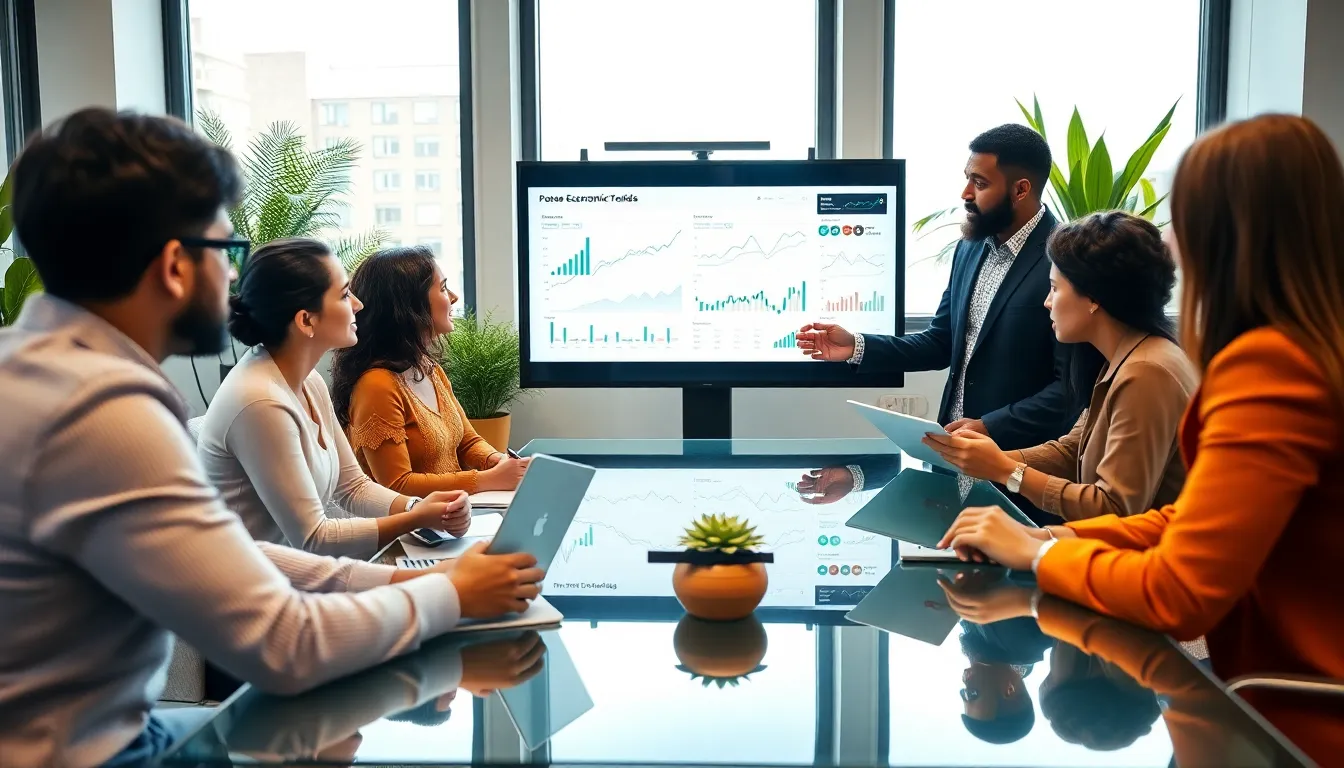
Economic trends are essentially patterns observed in economic data over time. Think of them as the pulse of the economy: they tell us how things are moving, changing, and evolving. Identifying these trends can provide insights into the broader economic environment, making it easier for businesses, policymakers, and investors to make informed decisions. For example, a trend toward remote work has emerged over recent years, influenced heavily by technological advancements and shifting perceptions about work-life balance. As more people prioritize flexibility, companies adapt by rethinking office space needs and operations.
Key Factors Influencing Economic Trends
Several driving forces shape economic trends. These include demographic shifts, technological advancements, government policies, and global events.
Demographic Shifts
Changes in population dynamics, such as aging populations or migration trends, play a crucial role. For example, as baby boomers retire, the workforce changes significantly, impacting sectors like healthcare and travel.
Technological Advancements
Innovation often leads to shifts in productivity and job availability. Consider how automation and artificial intelligence are reshaping job markets and creating new industries.
Government Policies
Policymaking can either stifle or stimulate economic activity. Tax cuts can provide businesses with more capital, while regulations can help safeguard environments or consumers.
Global Events
Events like pandemics or geopolitical tensions can abruptly alter trends. The COVID-19 pandemic highlighted the fragility of global supply chains, leading companies to reconsider how they source materials and distribute goods.
Examples of Economic Trends in Various Sectors
Exploring specific sectors helps illustrate how these trends manifest in day-to-day life. Here’s a closer look at five key areas:
1. Technology and Innovation
The tech sector leads as a beacon of economic change. Trends such as fintech, artificial intelligence, and blockchain are revolutionizing traditional business models and leading us toward a cashless society. Companies are increasingly embracing digital payment solutions, so enhancing user experience and access.
2. Globalization and Trade
In today’s interconnected world, globalization has reached unprecedented levels. Cross-border trade, fueled by e-commerce, is flourishing. More consumers are buying products from different countries, influencing everything from manufacturing decisions to pricing strategies.
3. Labor Market Dynamics
The labor market is evolving with a noticeable shift toward gig work. Many individuals are opting for freelancing over traditional employment, increasing flexibility but also affecting job security and benefits. This trend is causing companies to adapt how they approach hiring and employee engagement.
4. Environmental Sustainability
Increasing awareness around climate change has led to a trend towards sustainable business practices. Companies are incorporating green initiatives into their operations. The rise of electric vehicles, renewable energy sources, and eco-friendly practices in manufacturing reflects this growing trend.
5. Consumer Behavior Shifts
Consumer preferences are also changing rapidly. More people are prioritizing experiences over physical goods, leading to a boom in the service sector, especially in travel, dining, and entertainment. This shift compels businesses to rethink their marketing strategies and product offerings.
Analyzing the Impact of Economic Trends
Understanding the impact of those economic trends is crucial for stakeholders. For instance, if unemployment rates drop, it usually indicates a healthy economy where consumers have more disposable income to spend. This can lead to increased demand for goods and services, fuelling growth further. Conversely, a recession might signal decreased spending power, prompting businesses to scale back operations. The relationship between these trends is often cyclical, creating a delicate balance of economic health that requires constant monitoring.
Future Economic Trends to Watch
Looking ahead, several emerging trends deserve attention:
- Digital Transformation: As companies continue to embrace technology, automated solutions will shape how businesses operate fundamentally.
- Shift towards Renewable Energy: Expect to see accelerated investment in sustainable resources and practices.
- Urbanization: With more people moving to cities, infrastructure, housing, and public services will evolve.
- Health and Wellness: Trends focusing on mental health, nutrition, and overall well-being continue to gain traction, influencing various industries.
- E-commerce Growth: Online shopping will keep expanding, pushing businesses to refine their digital strategies.